Helping Leaders Navigate the Future of Work
The future of work is not arriving all at once. It is unfolding through thousands of decisions leaders make every day—how work is organized, how talent is developed, how technology is integrated, and how organizations adapt to continual change.
My work sits at the intersection of those decisions.
For more than two decades, I have helped executives, boards, and leadership teams navigate periods of transformation by connecting leadership strategy, organizational design, workforce intelligence, and emerging technologies into a coherent approach to building future-ready organizations.
Today, artificial intelligence is accelerating that work. While much of the public conversation focuses on new technologies, I believe the more important challenge is redesigning the systems of work that allow people and intelligent technologies to create value together.
Organizations that thrive over the next decade will not simply adopt AI. They will rethink how work is designed, how leadership evolves, and how human capability becomes a sustainable competitive advantage.
That is the work I help leaders do.
A Career at the Intersection of Leadership and Transformation
My career has spanned consulting, higher education, executive coaching, organizational psychology, and enterprise HR transformation.
I have advised Fortune 500 companies, universities, healthcare systems, and nonprofit organizations on leadership development, workforce strategy, organizational effectiveness, executive assessment, change leadership, and talent transformation.
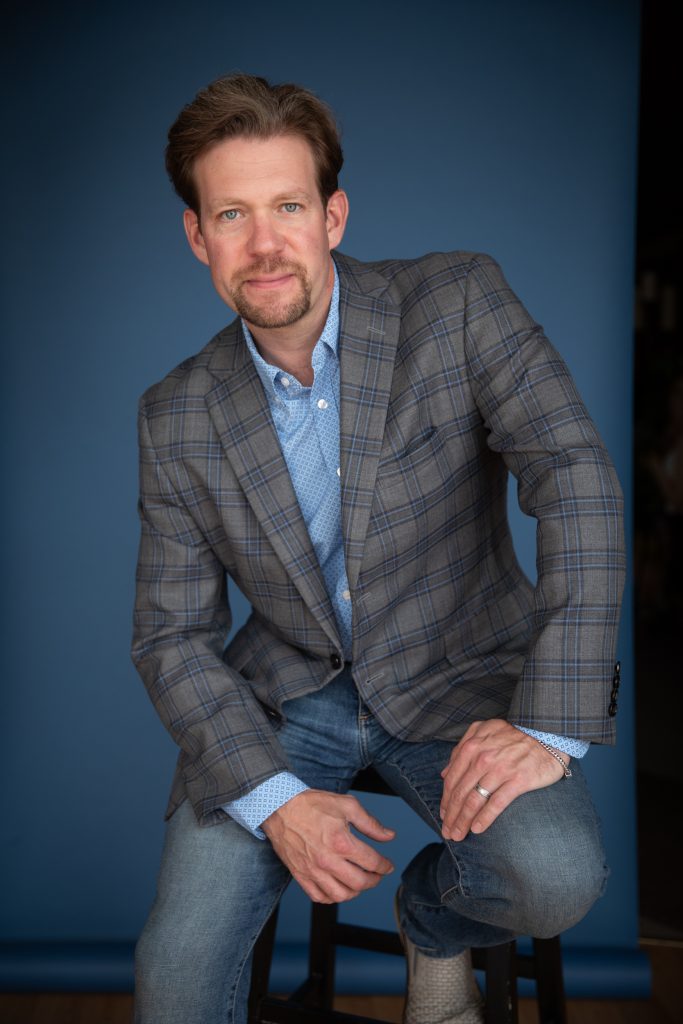
As Senior Director of Talent Strategy & Workforce Modernization at Stryker, I lead enterprise initiatives focused on modernizing workforce infrastructure, advancing skills-based talent strategies, and enabling better business decisions through workforce intelligence.
Previously, I spent several years with Gallup, partnering with executive teams across healthcare and other industries to improve leadership effectiveness, employee engagement, patient experience, physician engagement, and organizational performance through strengths-based development and executive consulting.
Alongside my corporate work, I continue to serve as a strategic advisor to colleagues–whom I’ve developed deep partnership and friendship with over the last two decades–in working with presidents, boards, and executive leadership teams on institutional strategy, leadership development, and organizational transformation.
Across each of these experiences, one theme has remained constant:
Helping leaders make better decisions in increasingly complex environments.
My Perspective
I believe leadership extends beyond the workplace.
I am the author of two books: Future-Ready Leadership: Strategies for the Fourth Industrial Revolution, which explores how organizations can prepare for technological disruption while strengthening the uniquely human capabilities that enable innovation, trust, and resilience. And Sacred Conversations, which offers a simple framework for improving relationships in a complex work and deepening one’s faith through accompanying others on their spiritual journey.
I am also the co-founder of the Detroit Bass Federation, a nonprofit dedicated to advancing music education and celebrating the legacy of the electric bass in Detroit’s rich musical tradition. And La Storta, a nonprofit Ignatian ministry that helps Church leaders navigate complexity through discerning leadership.
These pursuits reflect a belief that has shaped my career:
Leadership is ultimately about creating environments where people can contribute their best work, continue learning, and build something that endures.
Professional Credentials
- Ph.D., Human Communication Processes, University of Georgia
- Professional Certified Coach (PCC), International Coaching Federation
- Gallup Certified Strengths Coach
- Prosci Certified Change Practitioner
Looking to the Future
The organizations that will define the next decade are already beginning to ask different questions.
How should our educational institutions and organizations change in a world of AI?
How should work be redesigned for AI?
How do leaders build organizations that learn faster than the pace of change?
What capabilities will matter most five years from now?
How do we create workplaces where technology expands human potential rather than replacing it?
These are the conversations I enjoy most.
If you’re thinking about the future of work, leadership, or organizational transformation, I’d welcome the opportunity to continue the conversation.